
Most weeks during the year, The Beech Hill School publishes
The Update
, a collection of news, updates, highlights and more. For over five years,
The Update
has been providing families all they need, and more, to stay up-to date with all that is going on at BHS. Head of School, Rick Johnson,regularly shares his thoughts in a segment of The Update called “From the Head’s Desk.” Since August of 2022, Rick has collected those writings here as well – enjoy!
Mountain Day - 15 Years and Counting
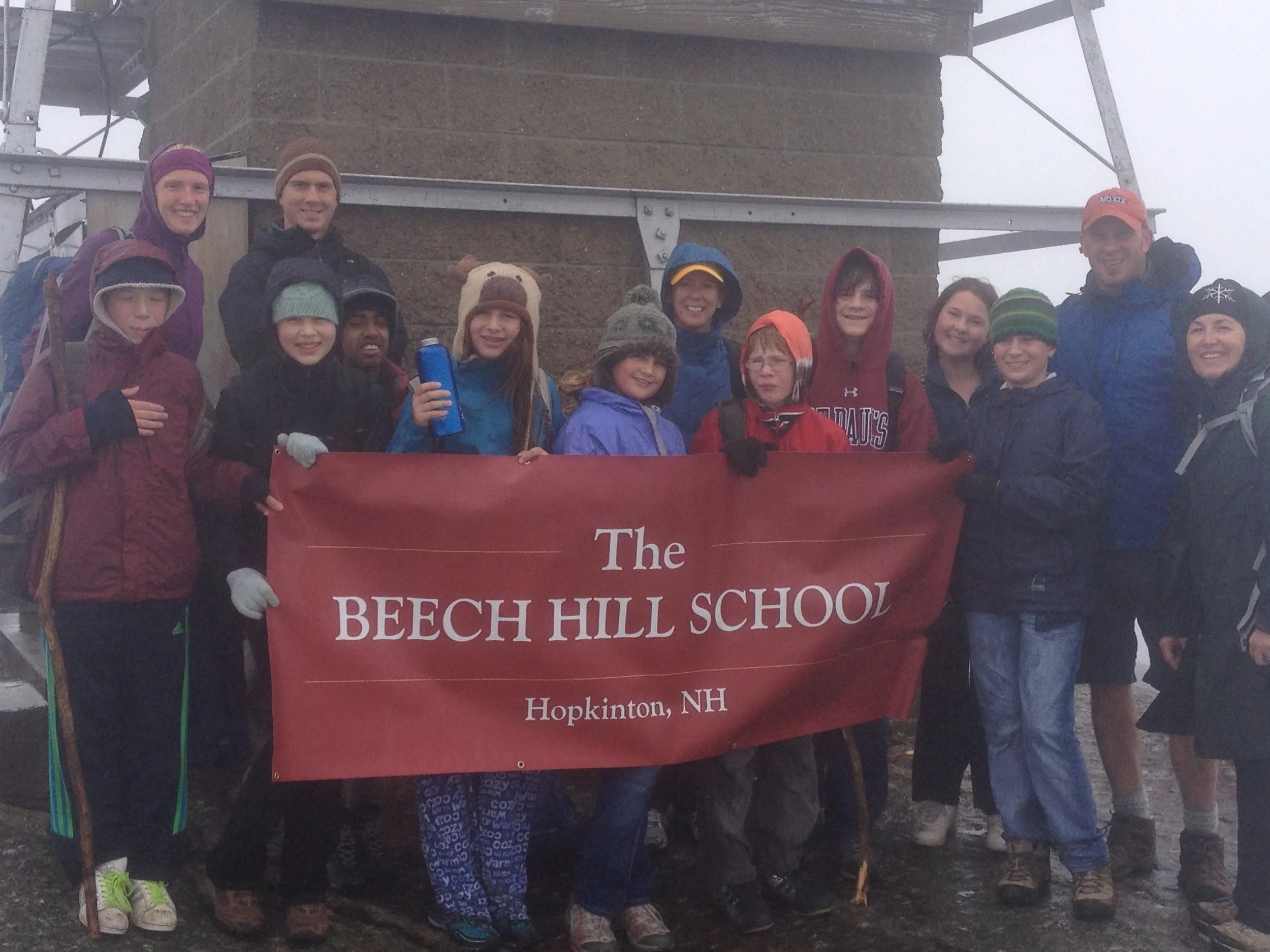
On October 10, 2012, the students and faculty of The Beech Hill School loaded up a few cars and headed north to Cardigan Mountain. This was the very first Mountain Day in school history. That hike was one of the most demanding hikes that the school has ever taken, as a storm developed near the peak of Cardigan. Blustery winds and biting rain greeted the intrepid hikers at the exposed peak, forcing the group to push through the elements. During the hike, I was concerned that we might be asking too much from our middle school students. The students and faculty, however, pushed through the challenges, supporting one another – sharing dry layers, water, and positivity. On the way home, I called an audible and we stopped at a Dunkin’ Donuts where I was able to provide hot chocolate for all. Despite the extreme weather and the rigorous hike, spirits were high and the group felt a strong sense of satisfaction in completing such an arduous task.
The intent of the hike was to get the students into nature to observe the autumnal beauty of New Hampshire. Instead, we witnessed Mother Nature’s power more than her beauty. Through it all, however, we discovered that Mountain Day presents a myriad of opportunities for self-discovery and community building.
Fifteen years later, the students and faculty of The Beech Hill School still hike together as a community, and Mountain Day is now the oldest tradition at BHS. This year, we were fortunate to have a much better day to hike, and the trail was not as treacherous as the one we took in the fall of 2012. This did not, however, diminish the fact that all our students learned lessons that could never be replicated in a classroom. Some overcame perceived limitations, while others learned how to work in a group. In the end, every student and faculty member took something from our hike that will serve them well throughout the remainder of the school year and beyond.
Over time, the purpose and utility of traditions can become lost. This is not the case with Mountain Day, as year in and year out, our community continues to reap the benefits of our time in nature, together. I am already looking forward to next year’s hike up Mount Major!
Unintended Consequences
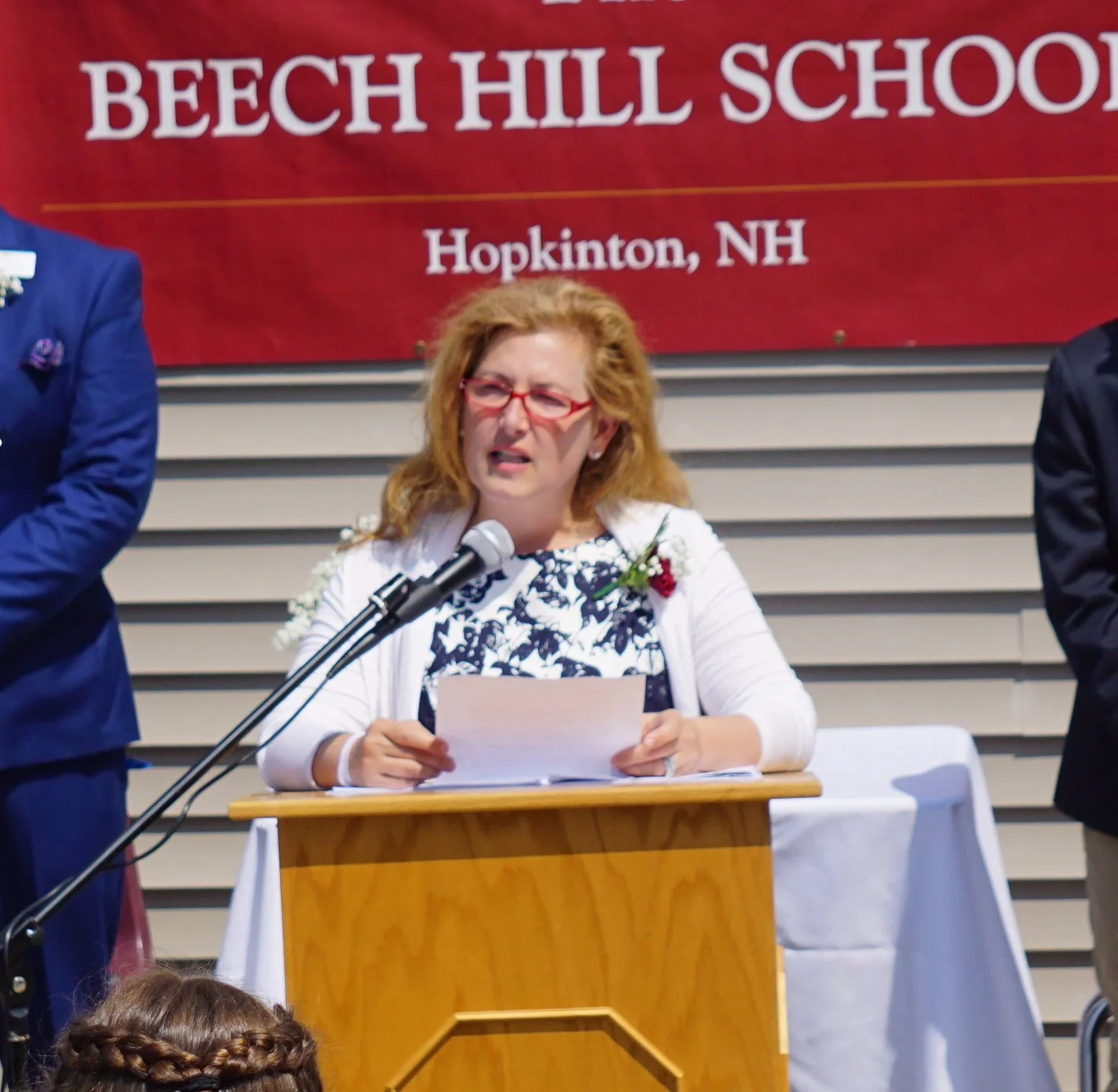
Not a single student that sat before me at Community this Friday was alive on September 11, 2001. As a point of comparison, when I was in middle school, President Kennedy’s assassination was as far in the past as 9/11 was for the students that sat before me. The difference, however, is that all BHS students - present, past and future, are connected to the events that occurred on that fateful Tuesday in 2001. During Community on Friday, I helped them understand their connection.
On September 11, 2001, Emily Ricard was working in finance in New York City. While she was not working in the twin towers, her office was in the World Trade Center complex. Fortunately, she made it safely out of harm’s way that morning, but the tragic events of that day led Emily to reconsider her impact on the world. To make a much longer story more concise, Emily transitioned into the world of education - teaching math in Harlem for several years, then eventually, founding The Beech Hill School.
On September 11, 2001, terrorists attempted to let hatred and evil deeds change forever the United States. Something else resulted from that day that the terrorists never could have imagined. When Emily Ricard left her work in finance and eventually decided to found The Beech Hill School, she created a school that teaches students to value kindness, empathy, and respect. Our students develop a strong moral compass at The Beech Hill School, and they take that with them into the world.
Twenty-five years ago, terrorists thought that their evil deeds could win the day. Twenty-five years later, Emily Ricard’s decision to found The Beech Hill School, which has graduated over 100 students and will continue to do so in perpetuity, safeguards the notion that goodness will always prevail over evil.
Moral Identity
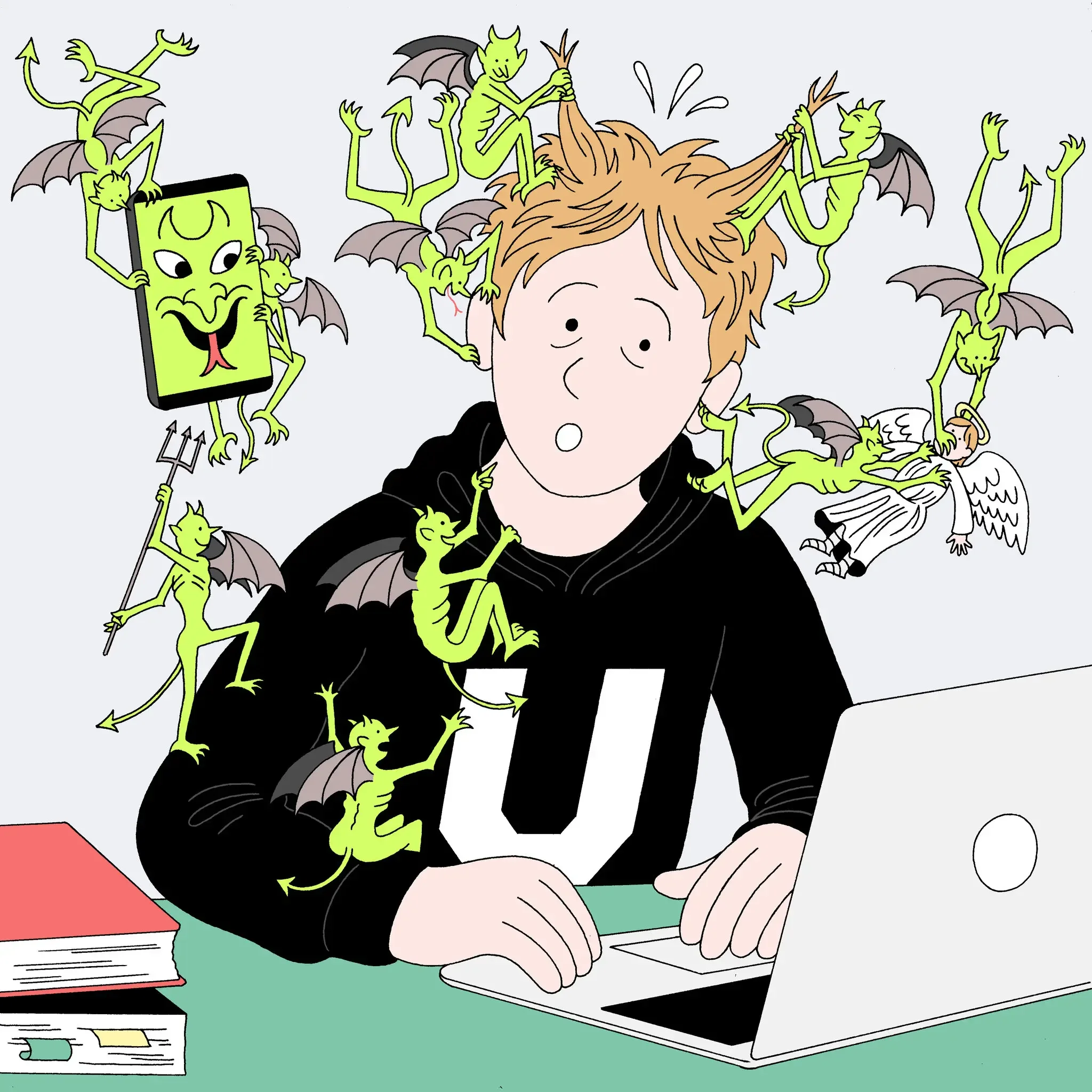
Several years ago, a friend of mine, and Wharton School graduate, suggested that I read the work of one of his favorite professors – Adam Grant. Since that time, I have become a fan of Professor Grant’s work. This week, Dr. Grant wrote an opinion piece in the New York Times regarding AI and cheating. Unfortunately, Dr. Grant wrote that of his 95 undergraduate students at Wharton, “[H]ardly any students saw cheating as a violation of integrity.” Like Dr. Grant, I am both shocked and dismayed by this response. Throughout my time as a student, I attended schools that took academic integrity quite seriously, and was raised to value honesty and integrity above all else. As such, I would rather fail a test than to know that I passed because I cheated.
In Dr. Grant’s essay, he acknowledges that AI has becomes more ubiquitous, and students have become more willing to engage in “cheating”. Consequently, faculty are engaging in a cat and mouse game of trying to create ways prevent the students from cheating. I have been a part of these conversations and like Dr. Grant, I agree that this is a fool’s errand. As he states, “[C]reating obstacles is never going to be enough.” Instead, he argues that the way forward is to focus less on outcomes and more on process. As Dr. Grant puts it – “What we achieve may define our success. How we achieve it determines our character.”
Tomorrow, the faculty of The Beech Hill School will meet to begin preparation for a new school year. We will spend considerable amounts of time discussing AI and academic integrity, as well as things like the changes to the Dress Code and student use of computers during “free time.” Throughout these conversations, we understand that at BHS, we engage deeply in helping our students to form, what Dr. Grant calls moral identities – or “the term psychologists use for caring deeply about being a person of honor and integrity.” This is not easy work, and many schools shy away from these endeavors. As we prepare for the year ahead at BHS, we realize that moral development is a key component of our mission and more important than ever.
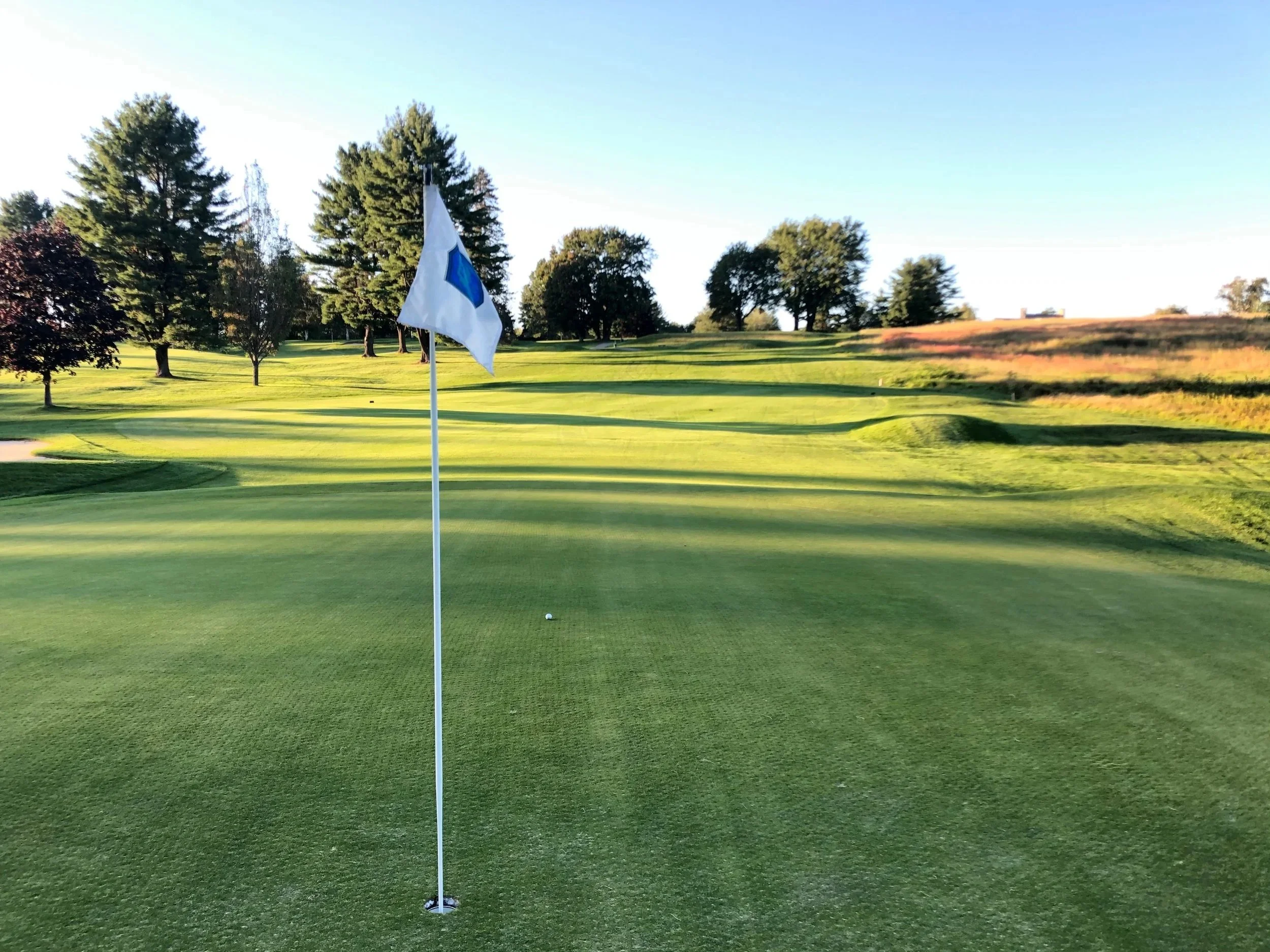
FORE!
For several summers now, I have spent the majority of my “free” time traveling about with my kids, transporting them to their various athletic endeavors. This summer, however, I have generally moved past that, and I am beginning to reclaim time for my endeavors. This summer, my most enjoyable endeavor has been golfing. I am what is referred to as a “high handicapper,” which is a euphemism for “generally bad golfer.” But I really love to play and this summer I have played with greater frequency than at any other point in my life.
One of the things that I especially like about playing golf is the optimism of a new round. Every time I play, I am excited for the opportunity to achieve new feats, and who knows – perhaps I will even hit that elusive hole in one. The blank score card and the first tee always excites me.
The other day, as I was preparing to tee off, I realized that the enthusiasm and excitement that comes with a new round of golf is similar to the feelings I have about a new school year. For over 30 years, I have readied myself to “tee it up” around August 1st. All these years later, I am still excited, hopeful, and a bit nervous, to start a “new round.” Hopefully, the students are also beginning to feel those feelings as well!
Before I put my clubs away, I still will have a chance to take my swings out on the links – but it won’t be long until it is time to grab my tie and blazer for another “18 holes” at BHS. I am as excited as ever – I can feel a great round coming!
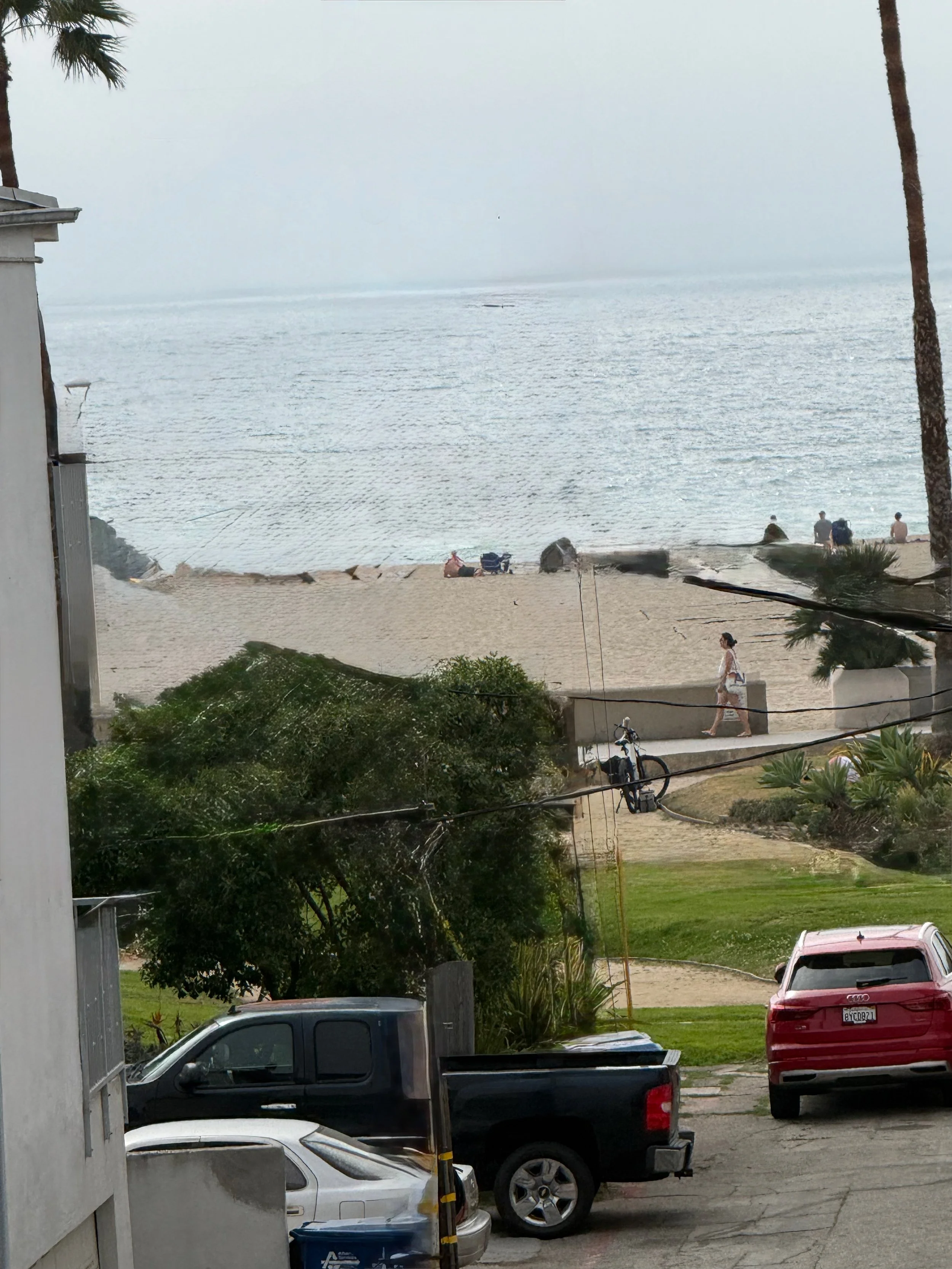
Experience the World
In this modern, interconnected world, one might imagine that the world is becoming more homogeneous. Even those that physically don’t move within miles of their home, through movies, the internet, and all sorts of technology have the ability to interact with people that are far from their locale. In the last three months I have had the great opportunity to travel to different regions of The United States, and from my perspective, despite technology, this country is still incredibly diverse.
Recently, my wife and I walked along the beach outside of Los Angeles, and time and again, people would greet us, by asking where we were from. Whether it was our clothing, our demeanor, or any of a million things, it was clear that we differed from the “Locals.” Likewise, while visiting my son in rural Virginia, it is self-evident that this country is far from homogenous.
While I could read books, watch movies, or do any of a number of things to try to understand what it might be like to live in Manhattan Beach, California, the experience of spending a few hours walking around has been the best instructor.
I am grateful that I have the ability to travel and I believe that all these journeys have helped me to think more deeply about the world in which we live. At The Beech Hill School, we try to bring students on regional field trips and welcome a variety of guests to our campus. Before long, however, it is my hope that we can arrange travel opportunities for our students, so that they too can experience for themselves the incredibly diverse and wonderful world in which we live.