

FREQUENTLY ASKED QUESTIONS
Electives
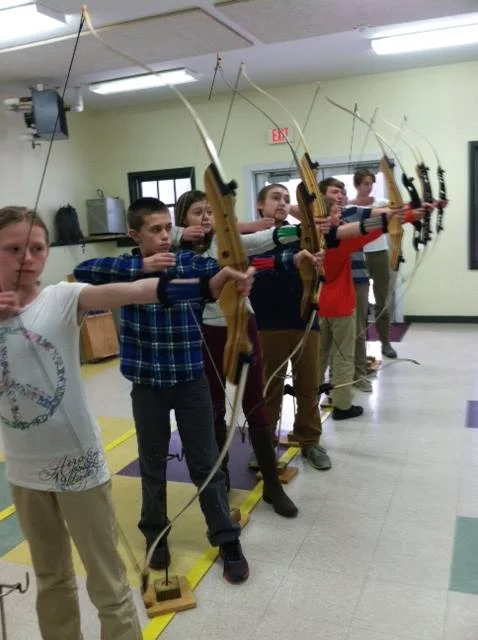
Our elective program is created to provide students with an opportunity to experience a topic outside the traditional curriculum. The electives offered are chosen for a variety of reasons.
Our elective program is created to provide students with an opportunity to experience a topic outside the traditional curriculum. The electives offered are chosen for a variety of reasons. Maybe students have an interest in a particular topic. Maybe a recent current event has motivated offering an certain elective. Possibly students need to experience a completely different way of thinking or writing or communicating. And maybe students need to test their abilities and try something beyond their comfort zone.
Electives are meant to broaden students' horizons, stretch their abilities and thinking, and help them identify their interests and strengths. Students will be assessed, not on mastery of a topic, but on their growth, self-assessment, motivation, and contribution to the class.
Electives will be offered for a term.
Possible electives include:
- Astronomy
- Anatomy
- Chess
- Card Games
- Game Theory
- Psychology
- Economics
- Shakespeare
- Pottery
- Multi-media studio arts
- Digital photography
- Dance
- Acting
- Graphic design
- Mosaic design
- Creative writing
English/Language Arts
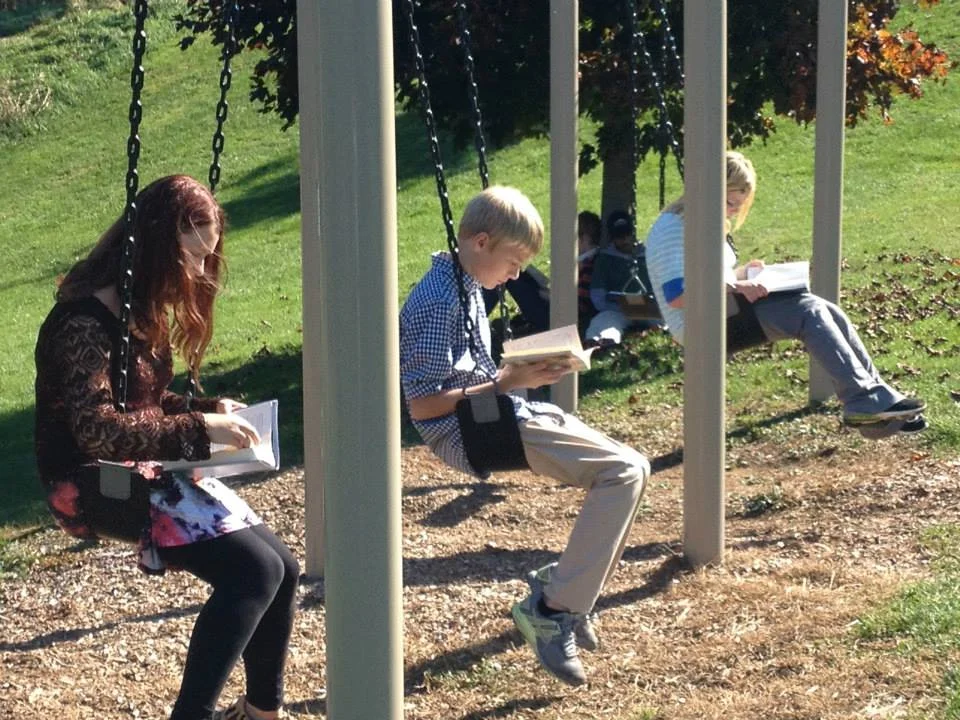
Our increasingly complex and collaborative world requires that young people become effective communicators. The ability to think about ideas -- and to express these ideas through speaking and writing with greater complexity and clarity -- is essential for success in the academic and professional world.
Our increasingly complex and collaborative world requires that young people become effective communicators. The ability to think about ideas -- and to express these ideas through speaking and writing with greater complexity and clarity -- is essential for success in the academic and professional world. English Language Arts (ELA) instruction provides the skills and knowledge that students will need to succeed and thrive in any environment or discipline. The overarching goal of The Beech Hill School’s ELA curriculum is to develop effective, fluent, and confident communicators. To achieve this goal, the curriculum focuses on reading (to develop critical analysis, insight, and ideas), grammar and vocabulary (to develop fluency and variety of language), and writing and speaking (to produce well-constructed, well-supported arguments).
Reading
- Students will read, analyze, interpret, and discuss works from a variety of acknowledged classics and contemporary authors.
- Students will develop content comprehension skills.
- The books and selections will include many different genres and styles: fiction, non-fiction, drama, and poetry.
- Reading lists are organized around essential, central themes of literature: Plot & Setting in 6th grade, Character in 7th grade, and Conflict in 8th grade. The focus for each grade is integrated with the social studies focus for that grade level.
Below are sample reading lists of representative books for each central theme.
6th Grade: Plot and Setting
7th Grade: Character
8th Grade: Conflict
Grammar and Vocabulary
- Through direct instruction and exposure to a variety of genres, students will learn and use the mechanics of written English, including parts of speech, syntax, punctuation, sentence structure, figurative language, and voice.
- Students will develop and enhance their vocabulary, including words with Greek and Latin roots and word with origin in other languages.
- The rules of spelling and their application in writing.
Written and Spoken Communication
- Extensive, daily practice in the process of creating, revising, and editing drafts.
- Developing and expressing ideas* through participation in whole class discussion and literature circles.
- Various types of writing* including persuasive, expository, expressive, and thesis-driven. Students will also be exposed to research writing. Thesis-driven writing will be the major focus of the 8th grade ELA curriculum.
- Learning and using proper citation of bibliographic information and other sources.
- Formal presentations*, including the use of multi-media.
* While the skills involved in expressing ideas, writing, and presenting are explicitly outlined in the ELA curriculum, they are critical components of all disciplines taught at The Beech Hill School. Across disciplines, teachers will incorporate these activities, and students will be expected to engage in them.
Mathematics
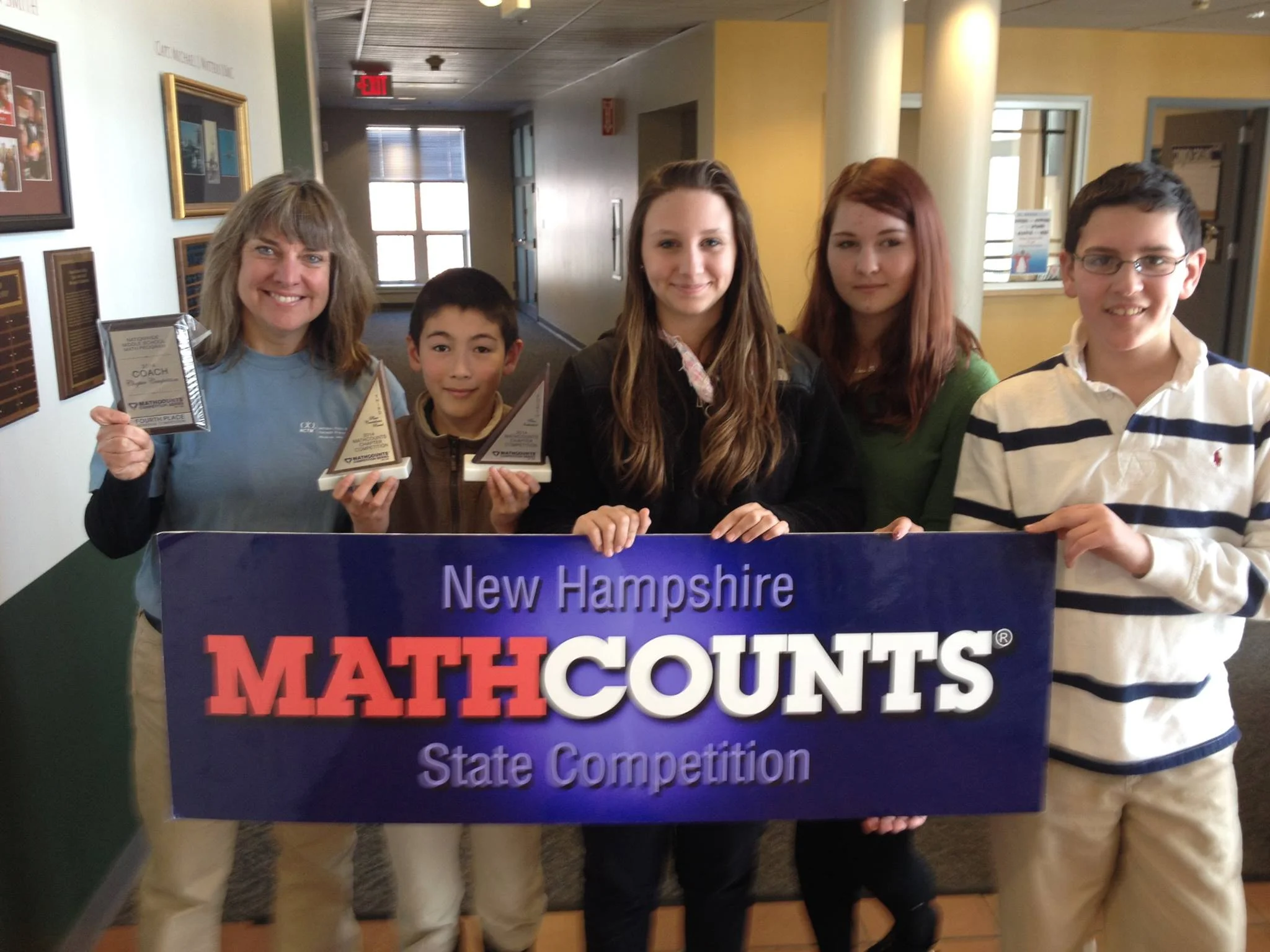
Students have spent the bulk of elementary mathematics developing their number sense and operational fluency. During middle school, students will use these skills to begin delving into rich, complex problems in various disciplines.
Students have spent the bulk of elementary mathematics developing their number sense and operational fluency. During middle school, students will use these skills to begin delving into rich, complex problems in various disciplines. Students begin to view mathematics as a compelling and valuable tool not only to solve problems but also to communicate their ideas.
The Beech Hill School mathematics curriculum was developed to align with the NCTM Standards and the Common Core Standards. Most mathematical topics will be taught in each course, but with increasing complexity. Each subsequent course will build upon student’s prior knowledge and then add to that body of knowledge. In order to develop strong mathematical understanding, The Beech Hill math curriculum and pedagogy focuses on mathematical reasoning, problem solving, and communication.
The following skills and processes will be included in all math classes:
- Connections
- Multiple Representations
- Communication and Discussion
- Problem-Solving and Applied Mathematics
- Technology Tools
- Estimation and Reasonableness
- Modeling
Below are lists of the major topics taught in each course:
Math 6
- Comparing rational numbers in different representations, especially fractions and percents
- Using ratios and proportions
- Understanding the relationship between operations, especially multiplication and division
- Computing fluently using rational numbers
- Number theory
- Using properties of numbers
- Exponents
- The coordinate plane
- Independent and dependent variable
- Basic geometric shapes, properties, and principles
- Angles
- Measurement
- Statistical variability and central tendency
Math 7
- Solving and graphing one variable equations and inequalities
- Writing expressions and equations to represent a relationship
- Continue to develop number sense and computational fluency, introducing irrational numbers
- Continue to develop understanding of ratios and proportionality, introducing similarity and congruence
- Radicals
- Fractional bases
- Generating equivalent expressions
- Constructing geometric figures
- Angles and lines
- Surface area and volume
- Comparing populations
- Probability Models
Pre-Algebra
- Conceptual understanding of a variable or symbolic expression
- Solving and graphing systems of linear equations or inequalities
- Using ratios, proportions, and percents
- Algebraic notation
- Radicals
- Exponents
- Scientific Notation
- Evaluating and comparing functions
- Pythagorean Theorem
- Transformations
- Surface area and volume
- Congruence and similarity
- Probability Models
Algebra
- Representing, analyzing, and comparing patterns in various representations
- Solving equations and inequalities
- Identifying linear and nonlinear functions
- Simplifying expressions
- Absolute value equations
- Polynomials and Rational Expressions
- Radical Equations
- Writing equations to represent a relationship or solve a problem
- Function notation
- Representing and comparing linear, quadratic, and exponential functions
- Trigonometric Functions
Science
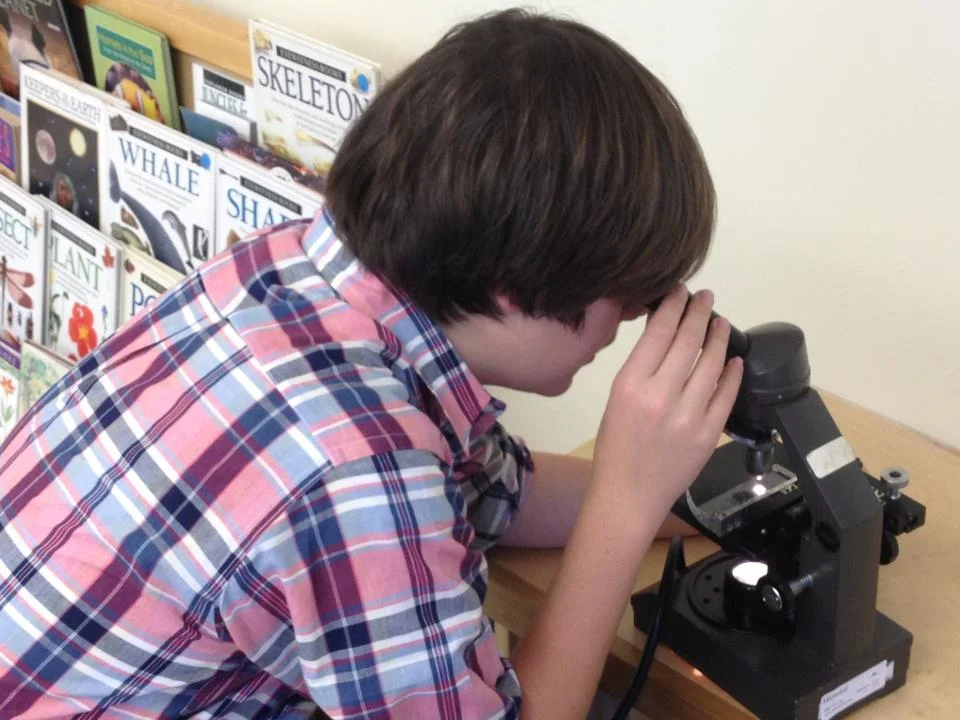
The Science Program at BHS includes a year each of Earth Science, Life Science, and Physical Science. All of the science courses investigate the ‘how’ and the ‘why’ behind the concepts we explore.
The Science Program at BHS includes a year each of Earth Science, Life Science, and Physical Science. All of the science courses investigate the ‘how’ and the ‘why’ behind the concepts we explore. Students work to apply those concepts to real-world examples, and to recognize that an understanding of how the world works on a molecular level can help one to see the patterns and scientific principles at work in the rest of the world and beyond, and vice versa. Students learn and practice the scientific method and precise measurement, design their own experiments and engage with careful inquiry both in and out of the classroom. A weekly science journal encourages students to recognize science in their everyday lives, and larger Science Share Projects ask students to pursue some of their personal interests and questions in greater depth. The science department consults the Next Generation Science Standards in generating curriculum, and works closely with the other departments, especially math, in a manner that reinforces the fundamental interdisciplinary nature of the concepts we study.
The Earth Science course begins with an introduction to the scientific method, measuring, metrics, and states of matter. These skills and concepts are then applied as students move on to study the earth’s systems. Their voyage begins with geology, reading the land for clues as to our past and any indications of what may come in the future. Students then explore how energy cycles through our planet, including the atmosphere and hydrosphere, to influence weather and climate. Once students have gained a solid comprehension of earth’s interconnected spheres, we start to explore the solar system, our place within it, and to apply our knowledge of earth—from tectonics to thunderstorms— to understanding other planets and moons.
The Life Science course explores the mystery of living things. We explore how life is classified, examining organisms on the microscopic level, and discovering the inner workings of cells as well as the principles of genetics that are at the root of the diversity of life we observe on earth today. We then zoom out a bit to investigate one particularly curious organism in greater depth: the species Homo sapiens sapiens. Our study of the human body ranges from investigating current research about the brain, to a forensics unit in which students use their learning about body systems to try and solve a (fictional) cold case. Throughout the course students are encouraged to recognize the connections between living things, as well as their adaptations and interactions with their environment, so the spring brings great opportunities to conduct field (and other habitat!) research.
The Physical Science course combines studies of chemistry and physics. Students come to understand properties of matter: why it interacts and how. They also investigate forces, transfers of energy, and how these relate to matter and doing ‘work.’ These are concepts that we witness on earth, but tie-ins to the larger universe are woven throughout the curriculum in fun and meaningful ways for students. Along with keeping an eye on the ‘cosmos,’ in this class students are also keeping their hands and minds busy, engineering creative models and structures for ‘design challenges.’ Students provide plans and proposals in a style modeled after NASA’s own processes, and develop innovative solutions of their own to accomplish complex tasks. In this way, students can physically witness and apply the concepts they’re learning, and develop their technical, engineering, experimental and critical thinking skills.
Skills, Solutions, Study Hall, and Outdoors
Throughout their time at The Beech Hill School, students take "Skills" Class (read more about "Skills" class in The Concord Monitor). This course is designed to teach students the skills that are necessary for academic success, for community participation, and for a competitive edge.
Skills Class
Throughout their time at The Beech Hill School, students take "Skills" Class (read more about "Skills" class in The Concord Monitor). This course is designed to teach students the skills that are necessary for academic success, for community participation, and for a competitive edge.
Below is a sample list of topics covered in Skills:
- Study Skills
- Organization
- Note Taking
- Time Management
- Health & Nutrition
- Typing
- Computer Skills
- Standardized test preparation
- Interpersonal skills
- Electronic communication
- Budgeting and money management
- Research
The topics covered in a certain grade will be aligned with students needs at that grade level. For example, 6th graders will focus on study skills as they are beginning middle school. Eighth graders will work on test preparation as they are looking toward the SATs, the SSATs, and other standardized tests.
Study Hall
Three times a week each student at BHS has Study Hall. Working in conjunction with the Skills class, students come to study hall prepared to tackle particular assignments or catch up on specific work. During Study Hall periods all teachers are available for extra help and counseling. As students move through their 8th grade year the structure of Study Hall is left solely to the student, in preparation for the freedom they will experience during their free periods in their secondary schools.
Solutions
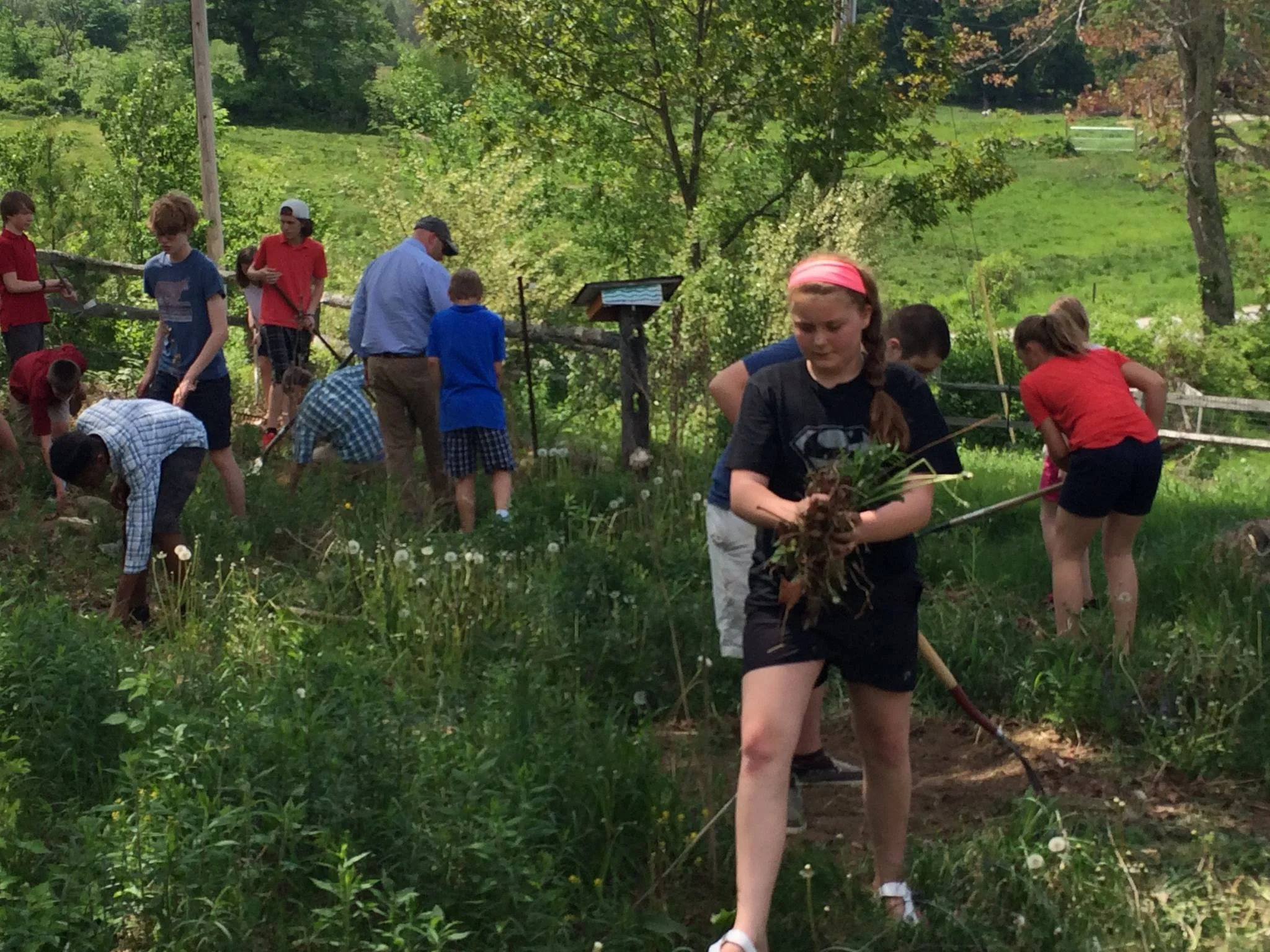
During one period a week the community gathers for Solutions. This is a time when the community will address specific needs, special projects or other opportunities for learning that might otherwise be missed. Students help with community projects, try to do their part to solve large, complex social problems, work on the farms or are visited with a special guest.
Outdoors
The Outdoors program is designed to provide opportunities of leadership, stewardship and adventure for our students. Activities combine elements of these three principles, as students learn skills ranging from silent communication, to orienteering, to safety and first aid, to leave-no-trace practices while building shelters or fires. Older students are expected to demonstrate their leadership growth, in part by teaching one skill to the class themselves. The class is held outside all year, and students have both group and solo time to experience, experiment and reflect.
Social Studies
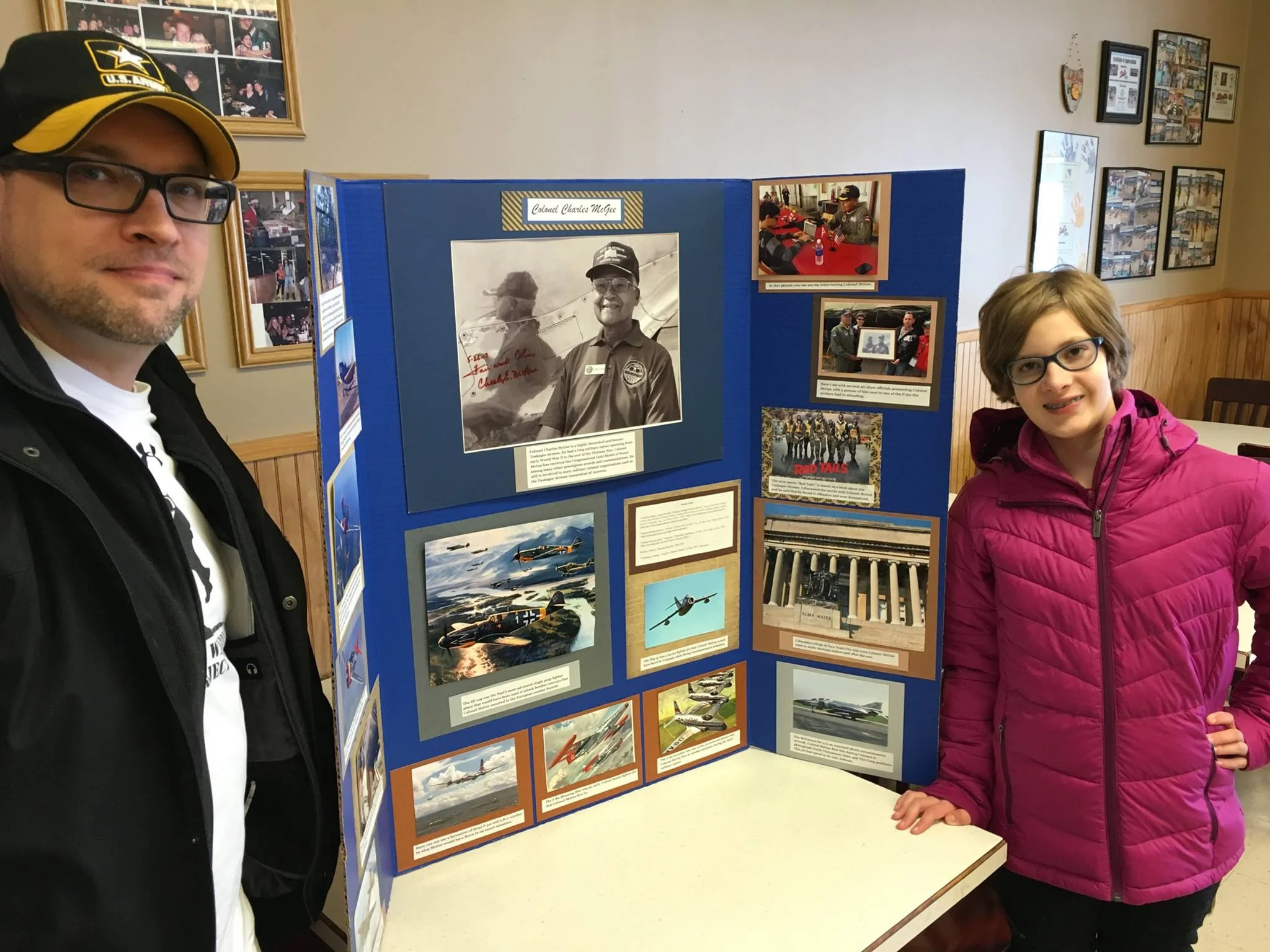
The social studies curriculum is designed to integrate with themes being addressed in the English classes. In 6th grade, students will focus on the literature theme of plot and setting while they are learning about actual places and cultures around the world.
Below is the three sequence for social studies:
6th grade - Geography & World Cultures
7th grade - US History
8th grade - Conflict, Civics, & Economics
The social studies curriculum is designed to integrate with themes being addressed in the English classes. In 6th grade, students will focus on the literature theme of plot and setting while they are learning about actual places and cultures around the world. In 7th grade, students will delve into the rich characters of US history, both nationally and abroad, and characters in literature. And as 8th graders, students will contemplate conflict in both their ELA and their social studies classes.
In each class, the following topics and skills will be included:
Knowledge
- History
- Geography
- Anthropology
- Sociology
- Economics
- Civics
- Government
Intellectual Skills
- Asking questions and listening
- Identifying and describing the world
- Evaluating and forming opinions
- Developing historical and geographic perspective
- Thinking critically and constructively about the world
Participatory Skills
- Interacting with others from similar and different backgrounds
- Monitoring public events and issues
- Deliberating and making decisions
- Taking action to improve the community
- Participating responsibility in the community
- Promoting the common good
Spanish
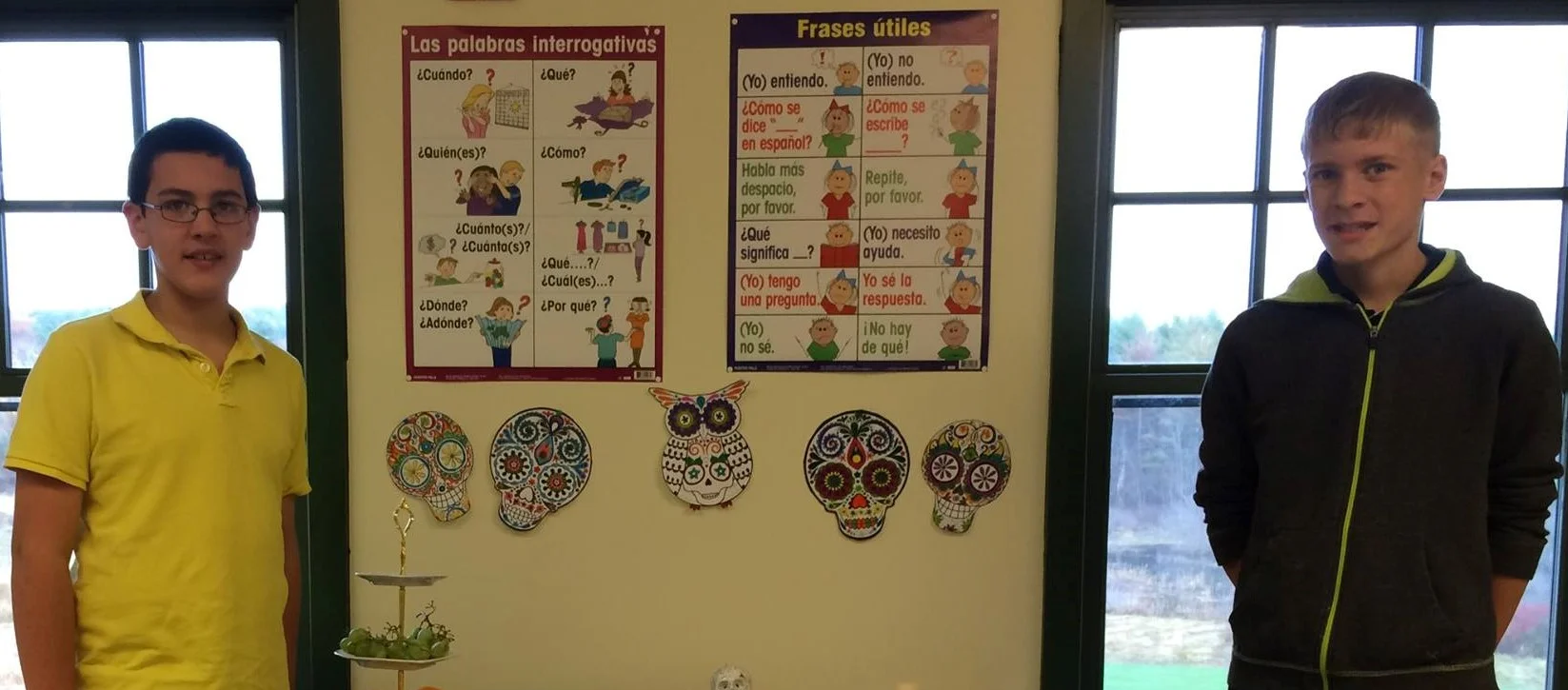
Through history, art, geography, food, and music, students learn Spanish and are exposed to Spanish culture. Similar to the way a first language is learned, most of the Spanish curriculum is focused on speaking and listening.
Through history, art, geography, food, and music, students learn Spanish and are exposed to Spanish culture. Similar to the way a first language is learned, most of the Spanish curriculum is focused on speaking and listening. Reading and writing are gradually introduced as a natural extension of learning and speaking a new language. The study of foreign language not only includes learning a new vocabulary and set of grammatical rules. It also involves developing confidence in an entirely new language and becoming more comfortable taking risks and actively participating. For example, students will often act out scenarios to help learn Spanish from contextual, visual cues.
Below are lists of the major topics covered during the 3 year Spanish sequence.
Level 1
- Greetings
- Numbers
- Days of week, months of the year
- Time
- Weather
- Spanish Alphabet
- Pronunciation
- Vocabulary: Colors, foods, family members, clothing, weather, parts of the house or neighborhood
- Articles
- Masculine/Feminine Agreement
- Pronouns
- Common Verbs & the Present Tense
Level 2
- Verbs
- Future Tense
- Subject/Verb Agreement
- Punctuation & Accents
- Adjectives
- Prepositions
- Sentence structure
- Word order
- Writing and reading
Level 3
- Past tenses
- Command form
- Continued development of vocabulary
- Adverbs
- Spelling rules
- Writing and reading
What grades does BHS serve? How do you meet the specific needs of middle-school students?
Throughout the United States, middle schools are often a division within a larger school, especially for independent schools or smaller public school districts. For example, schools are typically Pre-K through 8, 6 through 12 or Pre-K through 12.
Currently, BHS includes grades 5th through 8th.
Throughout the United States, middle schools are often a division within a larger school, especially for independent schools or smaller public school districts. For example, schools are typically Pre-K through 8, 6 through 12 or Pre-K through 12. Therefore, resources, vision, expertise, and focus are split amongst the different divisions.
At The Beech Hill School, our focus, attention, and expertise is entirely devoted to the middle school experience. Thus, everything at BHS - our hiring, our professional development, our mission – is guided by and designed around the needs of middle school students. While many public schools establish unique middle schools, they are still part of a larger administrative unit and/or are much larger in scale. Our teachers and administrators are experts in early adolescence. Small class sizes and strong advisor/advisee relationships allow our program to be developed and implemented with precision, care, and purpose.
The Beech Hill experience is designed to meet the unique needs of middle school students as they navigate the many cognitive, social, physical, and emotional changes and challenges of early adolescence. Cognitively, middle school students bounce around a continuum from concrete to abstract thought as they learn new material, make connections and begin to appreciate their impact and relationship with the world outside of themselves. At BHS our teachers are acutely aware of where each student is on that continuum of thought and help to foster more abstract reasoning and perspective.
The middle school years can be a time of uncertainty for parents as well. BHS is committed to supporting the needs of our parents through regular round-table community conversations, and open and direct communication between faculty and parents. When a child is enrolled at BHS the family becomes a part of a supportive, inclusive community where we work together to foster and celebrate the lives of middle school students.
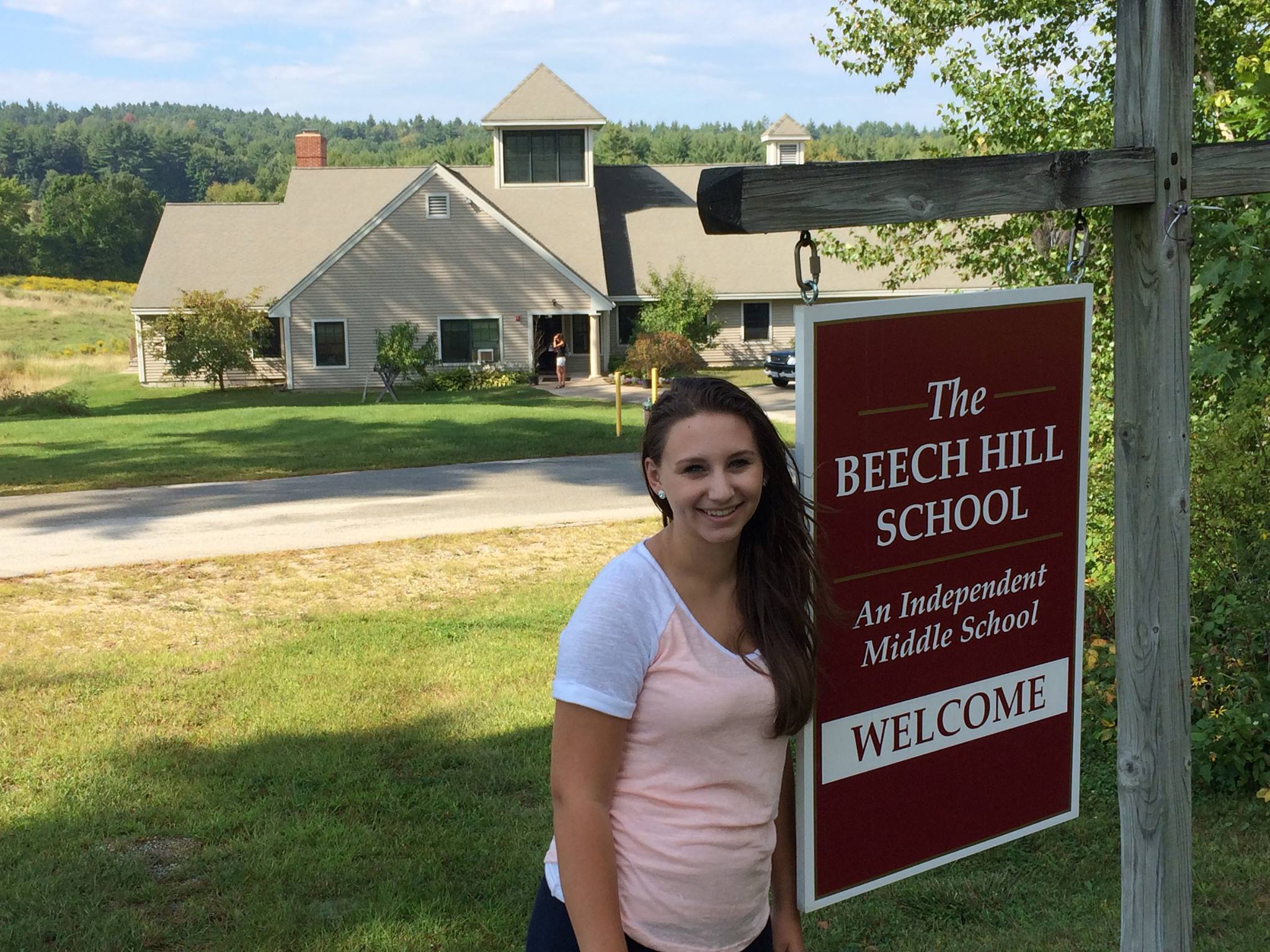
What is the vision of The Beech Hill School?
The Beech Hill School is proud to focus exclusively on the developmental needs and challenges of middle school aged students. Every aspect of our community - size, curriculum, schedule and faculty - supports the specific needs of middle schoolers.
The Beech Hill School is proud to focus exclusively on the developmental needs and challenges of middle school aged students. Every aspect of our community - size, curriculum, schedule and faculty - supports the specific needs of middle schoolers.
At the Beech Hill School, we believe that middle school students thrive in communities where their strengths are celebrated and they are individually challenged on a moment-to-moment basis.
The vision of The Beech Hill School is to develop intellectually curious and capable young adults who will become contributing citizens and informed decision-makers.
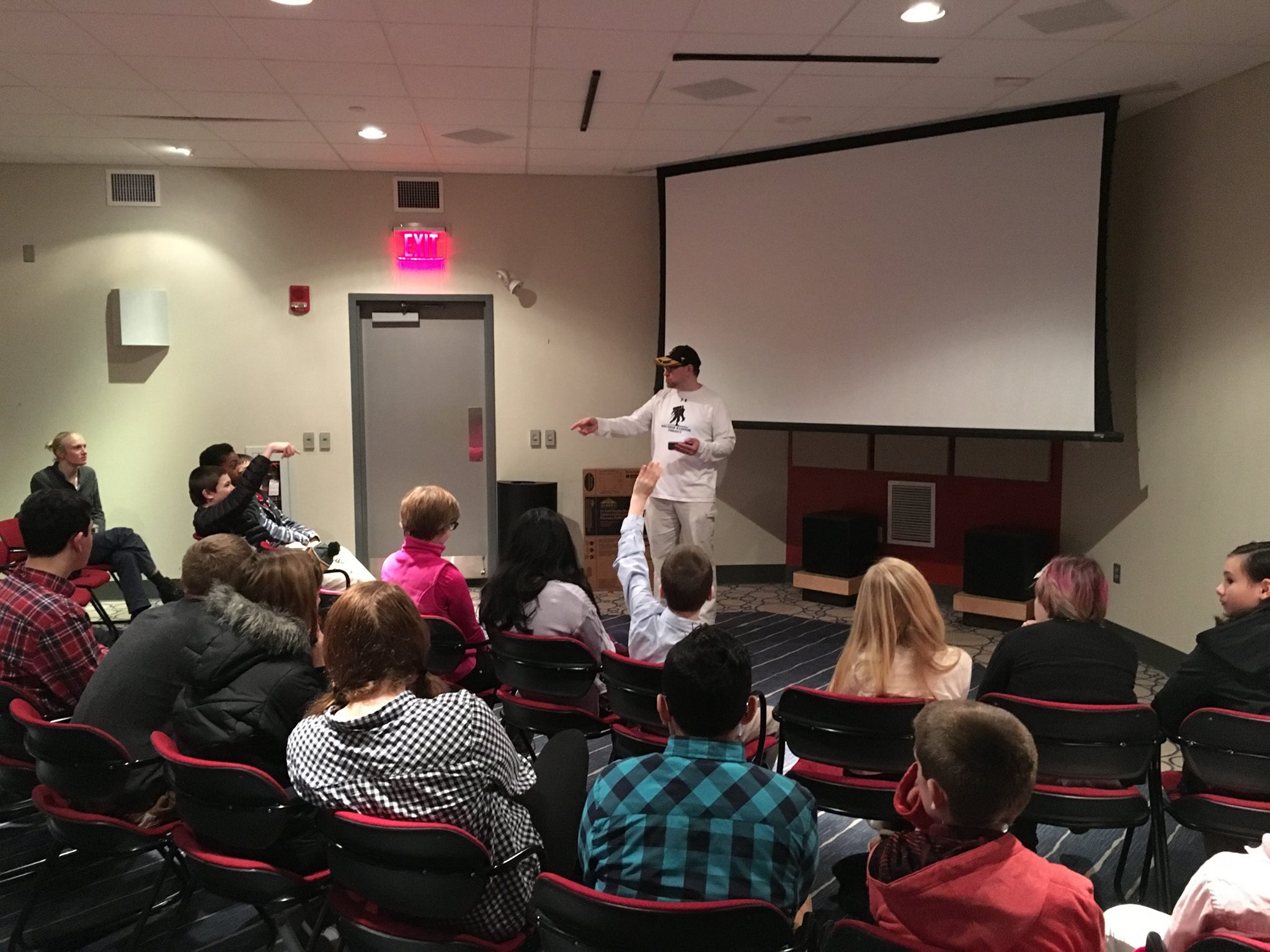
What is the mission of The Beech Hill School?
At the Beech Hill School, we believe that middle school students thrive in communities where their strengths are celebrated and they are individually challenged on a moment-to-moment basis.
The Beech Hill School is proud to focus exclusively on the developmental needs and challenges of middle school aged students. Every aspect of our community - size, curriculum, schedule and faculty - supports the specific needs of middle schoolers.
At the Beech Hill School, we believe that middle school students thrive in communities where their strengths are celebrated and they are individually challenged on a moment-to-moment basis.
The Beech Hill School is
- Creating a safe, nurturing and enriching learning environment;
- Balancing a traditional, rigorous academic curriculum with a rich extracurricular program;
- Utilizing a progressive, student-centered pedagogy;
- Valuing and implementing meaningful assessment which guides instruction;
- Embracing appropriate technology;
- Expecting both students and faculty to be members of a collaborative learning community guided by shared purpose;
- Endeavoring to extend learning beyond the classroom;
- Being governed by an Honor Code, dependent on respect, responsibility, integrity, and honesty;
- Attracting, hiring, retaining, and developing exemplary teachers;
- Supporting, encouraging, and expecting faculty to learn and grow in their own discipline and teaching practice;
- Building a strong family-school partnership;
- Celebrating differences and achievements; and
- Learning from, and persevering through, setbacks.
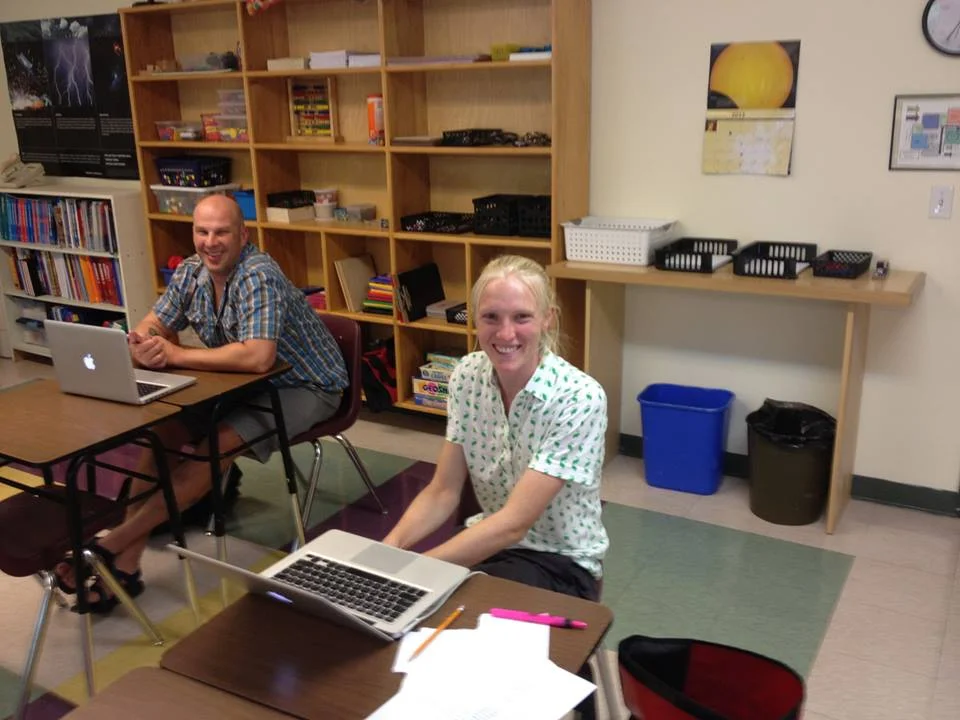
Why does a faculty member choose to work at BHS, where do faculty come from, and what qualifications are required of new faculty?
The strength of any school is tied tightly to the quality of its teachers. At The Beech Hill School, we take great pride in our teaching faculty, and provide them the autonomy, support, and community that make this school an ideal place to teach.
The strength of any school is tied tightly to the quality of its teachers. At The Beech Hill School, we take great pride in our teaching faculty, and provide them the autonomy, support, and community that make this school an ideal place to teach. When hiring, we do not limit our searches geographically, and as a result have a teaching staff that has lived and worked in schools throughout the United States.
Faculty at The Beech Hill School must have a passion for teaching, learning, and life. While our faculty are required to have at least a bachelor’s degree, most have advanced degrees. In fact, 83% of our faculty has advanced degrees in education or a field related to their specific teaching discipline. Educators at The Beech Hill School must not only have mastered the content they teach, but they must also share in the beliefs that:
- Middle School is critical for future achievement
- Teaching and Learning is a human endeavor
- Learning is a lifelong process
- A sound community is essential to learning
Finally, at BHS each faculty is a committed and experienced middle school educator. With a keen understanding for the balance of setting boundaries and providing structure while allowing students the freedom to explore and express themselves, the BHS faculty strive to meet the specific needs of our middle school aged population. Ever available for counsel and yet always respectful of student space, students at BHS find the faculty to be accessible, supportive and respectful. Finally, BHS faculty are committed to presenting attainable and safe challenges to our students on a daily basis – thus providing an environment where young adolescent students may take safe and calculated risks. At BHS our faculty provide a high ceiling of achievement balanced by a soft landing for struggles and failures.
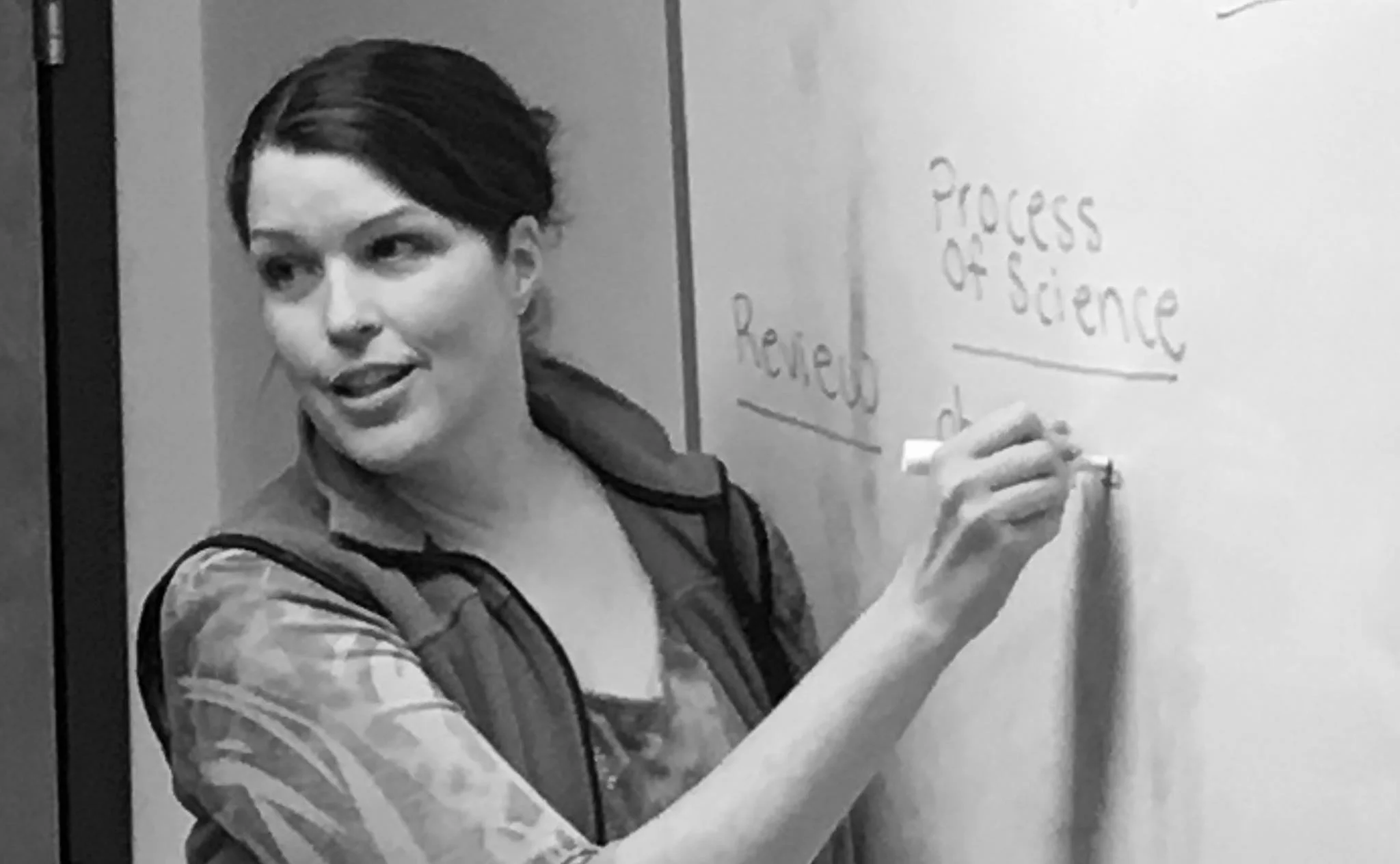
What does "rigor" mean at The Beech Hill School?
One of the most important reasons that families choose a Beech Hill School education is its steadfast commitment to providing a rigorous and diverse education within the class day; from 8:30 – 3:00.
One of the most important reasons that families choose a Beech Hill School education is its steadfast commitment to providing a rigorous and diverse education within the class day; from 8:30 – 3:10. As such, we have developed a uniquely rich class schedule and curriculum. At BHS, we define "rigor" in the following ways:
Rigor means gauging each student’s progress and asking if it is in keeping with his/her ability.
Rigor means emphasizing depth over breadth and focusing on skill development rather than content memorization.
Rigor means high expectations of work quality and effort.
Rigor means challenging students to make connections and think more broadly, guiding them to more abstract thought.
Rigor means students who are actively engaged and developing their own ability to self-assess.
Rigor means the integration of curriculum across disciplines and the opportunity to explore new and exciting courses through an extensive elective program.
How does The Beech Hill School support student's extra-curricular interests and commitments not associated with the school?
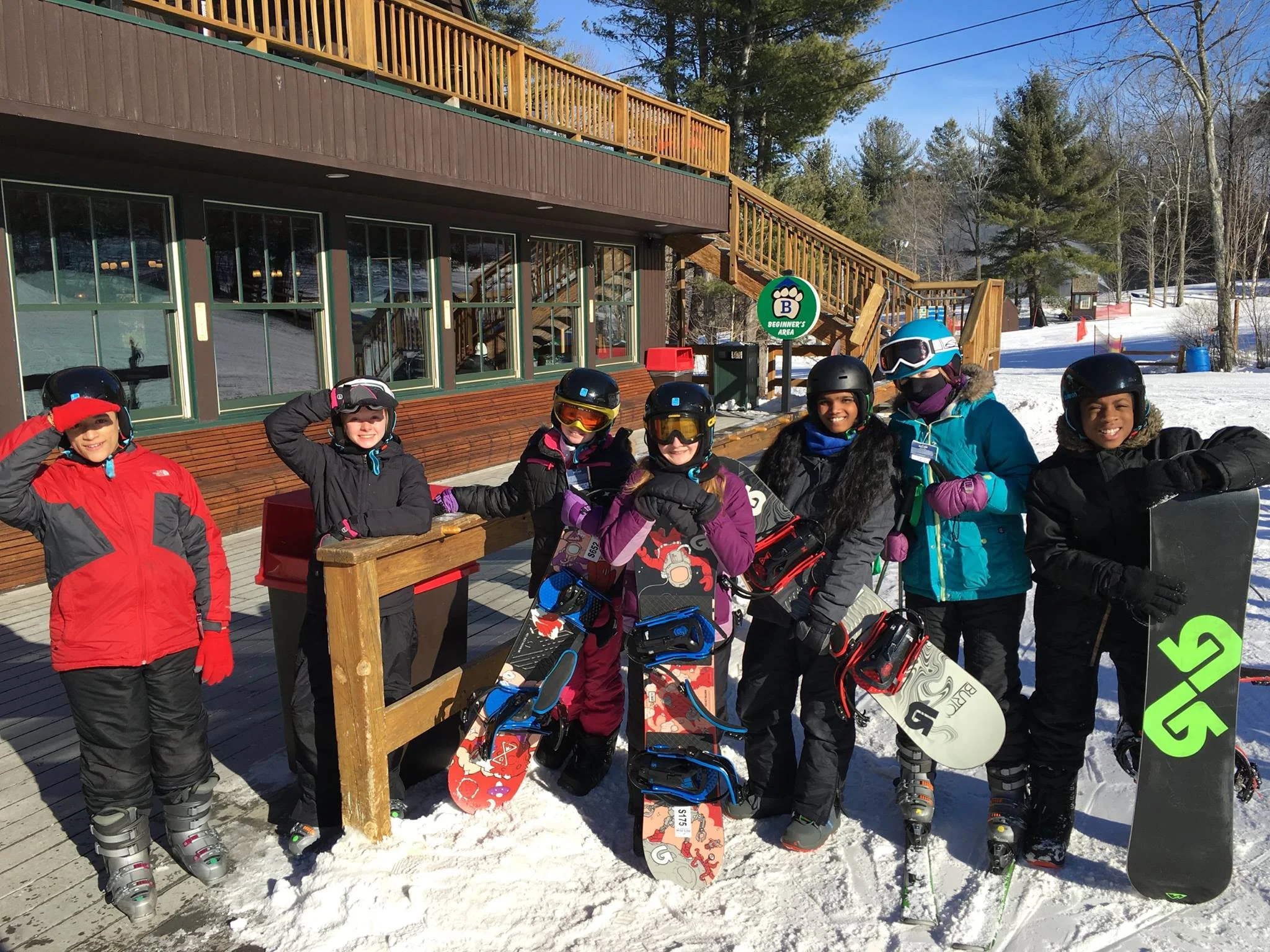
Middle school students have an abundance of opportunities to engage in community programming, like sport teams, Scouting, music lessons, art lessons, and other specialized programming.
Middle school students have an abundance of opportunities to engage in community programming, like sport teams, Scouting, music lessons, art lessons, and other specialized programming. We want our students to maintain a connection with the communities in which they live and to participate in activities at levels that are appropriate. The Beech Hill School supports and encourages students to continue participating in their extra-curricular activities. As such, many of our students are able to compete at very high levels in sports like hockey, equestrian and skiing or to follow their passion for music or the arts at the highest levels. At times, this commitment may require travel and missed classes. The Beech Hill School is uniquely qualified to serve students in this situation, as our advising system, comprehensive communication, and individual attention makes it possible for students to keep pace.
How does BHS teach study skills?
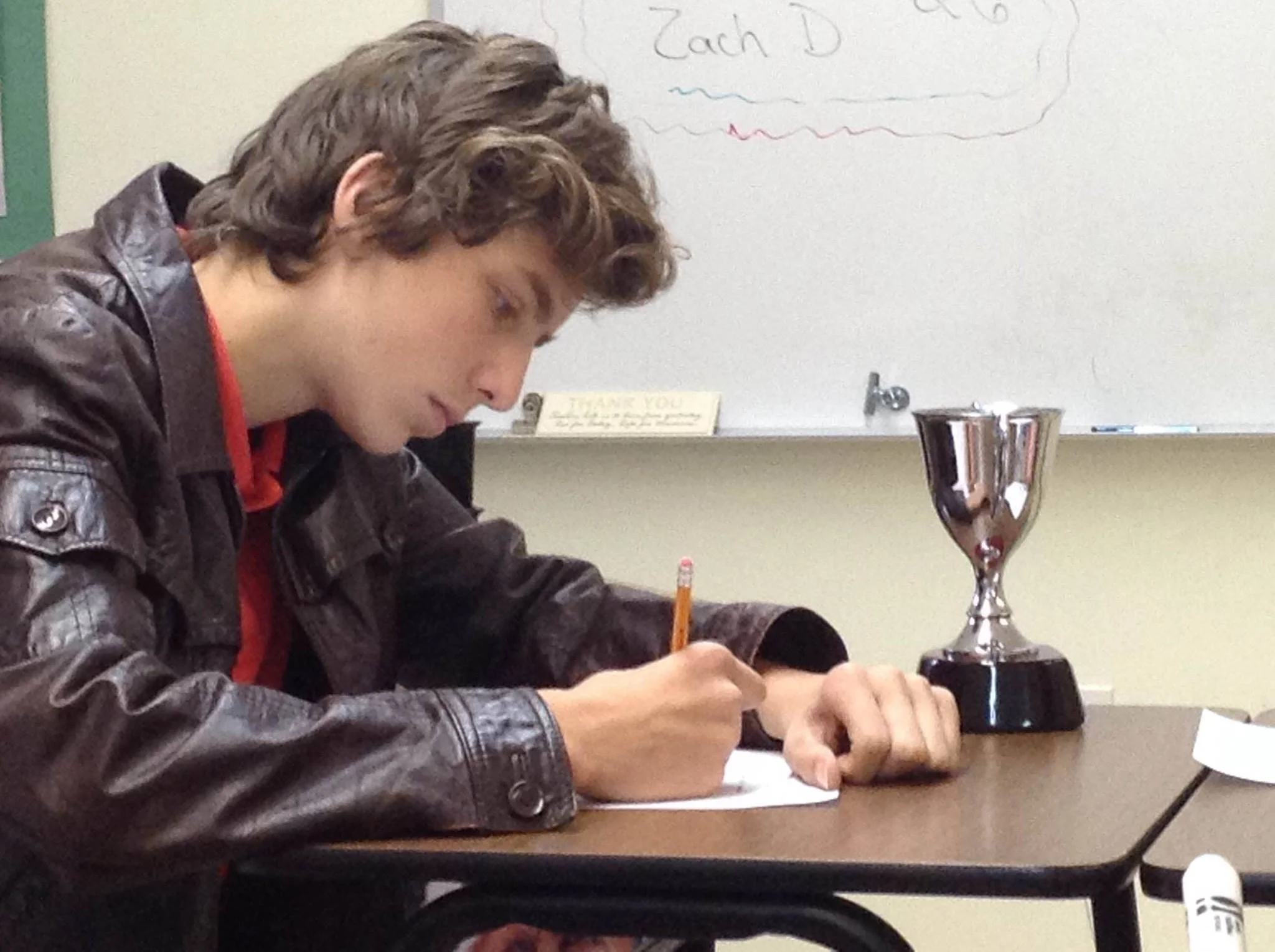
The Beech Hill School creates a foundation for achievement within its students. Thus, we need to prepare our students to be adaptable, self-aware, and resilient. How they learn is as important as the content they cover.
The Beech Hill School creates a foundation for achievement within its students. Thus, we need to prepare our students to be adaptable, self-aware, and resilient. How they learn is as important as the content they cover. All students meet in a specifically designed Skills class three times a week to focus exclusively on the development of study, life, and leadership skills that support successful lifelong learning. The Beech Hill School communicates regularly with leaders in secondary schools to better understand the skills required beyond middle school , and we modify our Skills curriculum accordingly to be sure our students are equipped with the skills required for success in secondary school and beyond.
In addition to Skills Class, all Beech Hill students have multiple study halls per week. During this period, students learn to make productive use of their time. Students have the opportunity to work with teachers for extra help and to work collaboratively with classmates on projects.
How does BHS help with secondary school placement?
We support the aspirations of our students to explore options for high school, including local public high schools and independent schools. Many of our students choose to apply to independent secondary schools.
We support the aspirations of our students to explore options for high school, including local public high schools and independent schools. Many of our students choose to apply to independent secondary schools.
Toward the end of a student's seventh grade year, his/her family will begin working with the BHS faculty to help find the best secondary school program to complement the student's academic strengths and weaknesses and his/her extra-curricular interests. BHS students have the opportunity to meet with a variety of secondary schools that come and visit with the students; this helps BHS students understand the great variety of school choice available to them for high school.
Working with our Head of School, BHS students have mock-interviews, review essays, and prepare for their school visits. In addition, BHS parents have the full support and guidance of the BHS faculty as they traverse the secondary school search.

Where do BHS students go for high school?
Coming from BHS, most students attending their public school will be eligible to enroll in honors levels classes.
BHS students matriculate to various public and independent schools. After the rigors and preparation of BHS, most students attending their public high school will be eligible to enroll in honors or advanced classes levels classes. BHS administrators work with families to support the desire to enroll in accelerated classes and will partner with the high school to help correctly place a student in courses.
Many BHS students elect to attend an independent secondary school. These schools are eager to welcome BHS students to their communities. Over the past three years, our eighth grade students have been admitted to The Holderness School, Brewster Academy, Linden Hall School, Proctor Academy, St. Paul's School, The Derryfield School, The Tilton School, and Bishop Brady High School.
Can we come visit the school?
Yes, we highly recommend it. Visiting …
Yes, we highly recommend it. Visiting during a school day is probably the best way to learn more about The Beech Hill School and get a glimpse of a day at BHS. Additionally, throughout the year, we host various admission events.
Please email our Admissions Office to schedule a parent tour and a student shadow day. We look forward to welcoming your family to our school.
You can also complete an inquiry form and our Admission Coordinator will be in touch with you shortly.

Do you require SSAT results?
We do not require SSAT results, specifically, for admission. Rather, we ask that you submit the results of standardized testing from their current school. Some examples of testing are the NECAPs, NWEA, or the ERBs.
We do not require SSAT results, specifically, for admission. Rather, we ask that you submit the results of standardized testing from their current school. Some examples of testing are the NECAPs, NWEA, or the ERBs. If your child has taken the SSATs, you may submit those as well.
When making our admission decisions, we look at the whole child. While we do consider standardized tests results, we are looking at these results within the context of the student's entire profile. In order to gain the clearest understanding of a student's learning profile, we gather information from transcripts, standardized testing, parent feedback, teacher recommendations, and observations from the shadow day. As we gather this information, it helps to create a picture that helps the admission committee make an informed decision about whether BHS is the optimal school for a child. We work with families to ensure that admission decisions are mutually understood.

Is there an application deadline?
We currently accept applications on a rolling basis. However, to be considered in the first round of admission and financial aid decisions, families must complete the application process by January 1, 2019. Please email our admission coordinator today to begin the process.
We currently accept applications on a rolling basis. However, to be considered in the first round of admission and financial aid decisions, families must complete the application process by January 1, 2019. Please email our admission coordinator today to begin the process.

Does BHS offer financial aid?
The BHS is pleased to offer financial aid to families with demonstrated need. We follow the guidelines of the National Association of Independent Schools for the distribution of our financial aid.
The BHS is pleased to offer financial aid to families with demonstrated need. We follow the guidelines of the National Association of Independent Schools for the distribution of our financial aid. Our goal is to make the Beech Hill School experience accessible to all students. We are unable to meet 100% of any individual's need.
Simultaneous to completing the admission process, please complete the Parent Financial Statement through the following website: Parent Financial Statement
The BHS admission committee provides an admission decision and financial aid package at the same time to help families make an informed enrollment decision.